Where to start
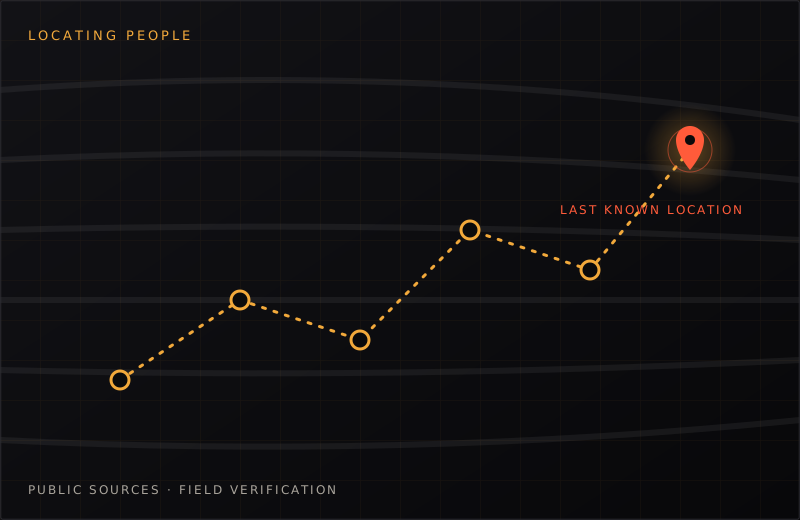
Every piece of information you hold is valuable: full name, date or place of birth, old addresses, relatives, workplace, phone traces and last known location. The more information there is, the easier it is to separate the right person from others with the same name. Making an organised list of this information is the first step.
Lawful sources used
- Open sources: news, listings, professional profiles, publicly visible social media
- Trade registry and notice records
- Information accessible by legal route in land-registry and enforcement procedures
- Field verification: checking whether an address is really in use
What cannot be done
There is no informal access to protected records such as population, tax, bank or telecommunication records, and you should stay away from anyone who promises such access. These records are queried only by competent authorities with legal grounds. In some cases the right route is therefore to use the court or enforcement channel through a lawyer.
What happens when the person is found
Once a person is found, contacting them or sharing the address is not always appropriate. Consent, safety and legal grounds are considered. Strict conditions apply particularly in sensitive cases such as locating a spouse or child.
Realistic expectations
Success cannot be guaranteed; if the name is common, the information old or the person has deliberately gone out of touch the process takes longer. An honest service says so clearly in the first call. See the locating people page for more.